 thomas306@thomas306
🛡Moderator✦Founding member #12
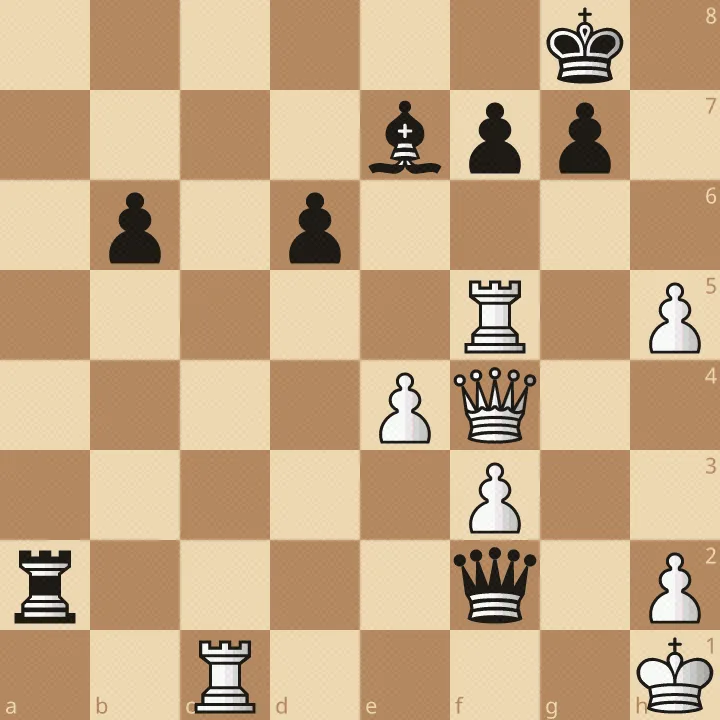
Lineups for the prestigious Tata Steel Tournament 2027 are here and Germans are feasting! While the *Old* Guard (Vincent Keymer, 21; Frederik Svane, 22) will show up in the Master's section, a rising star will participate in the Challenger's section: 15 years old International Master Christian Gloeckler will face seasoned top players like GMs Avaringh Chithambaram, Bibisara Assaubayeva and Zhu Jiner.
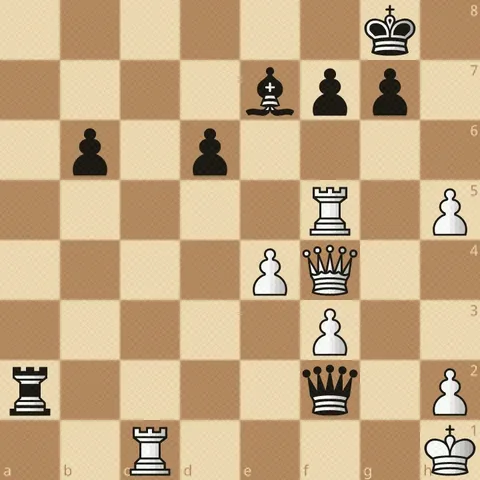
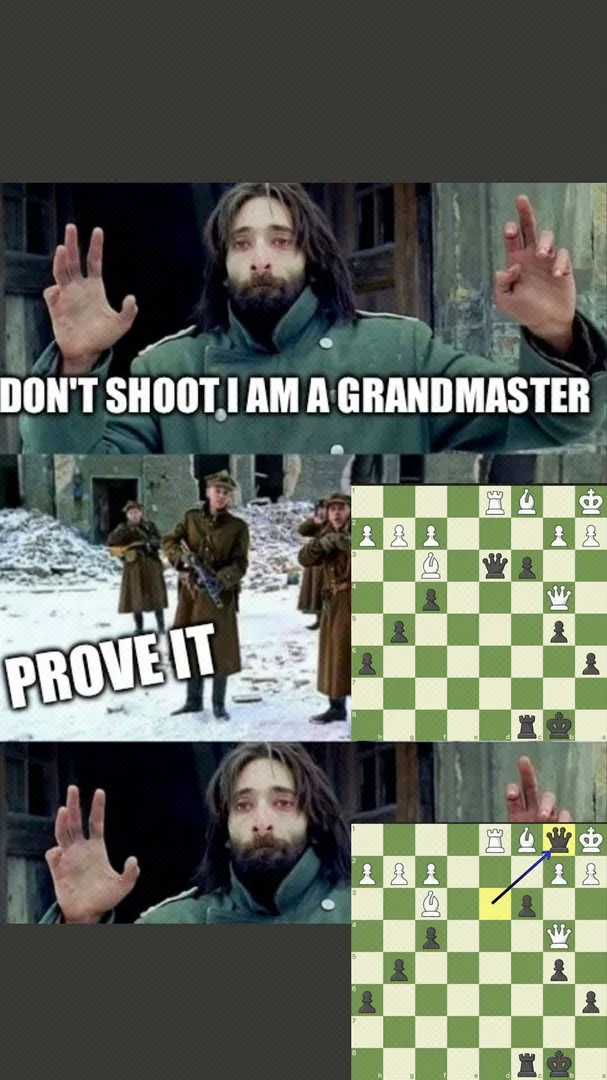
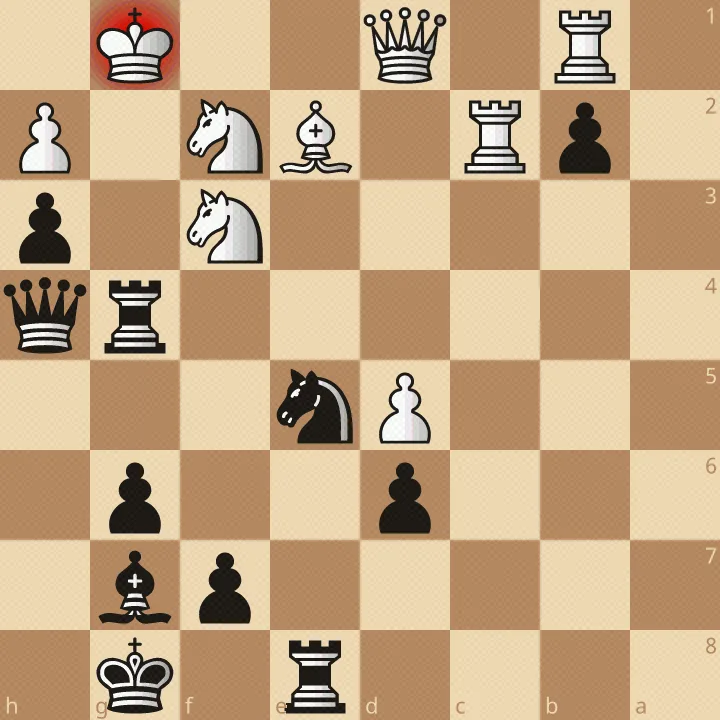
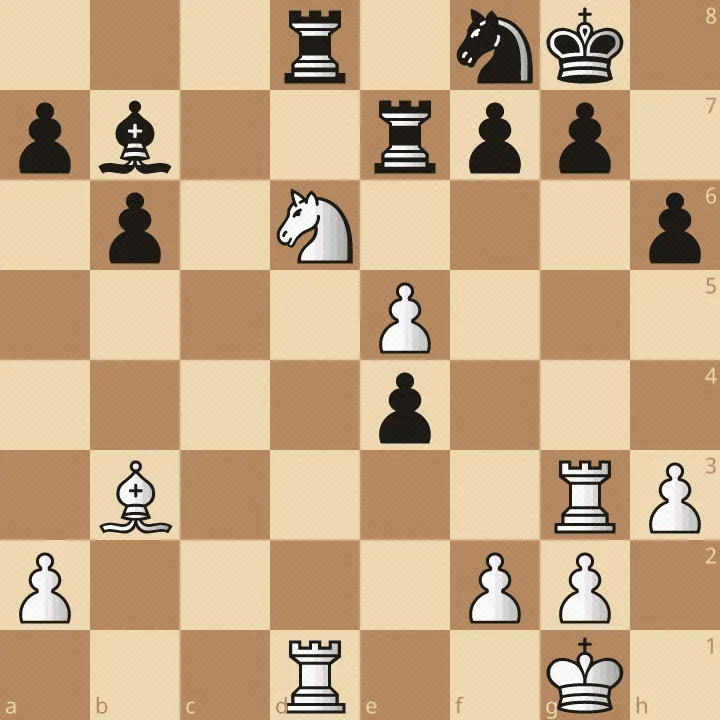
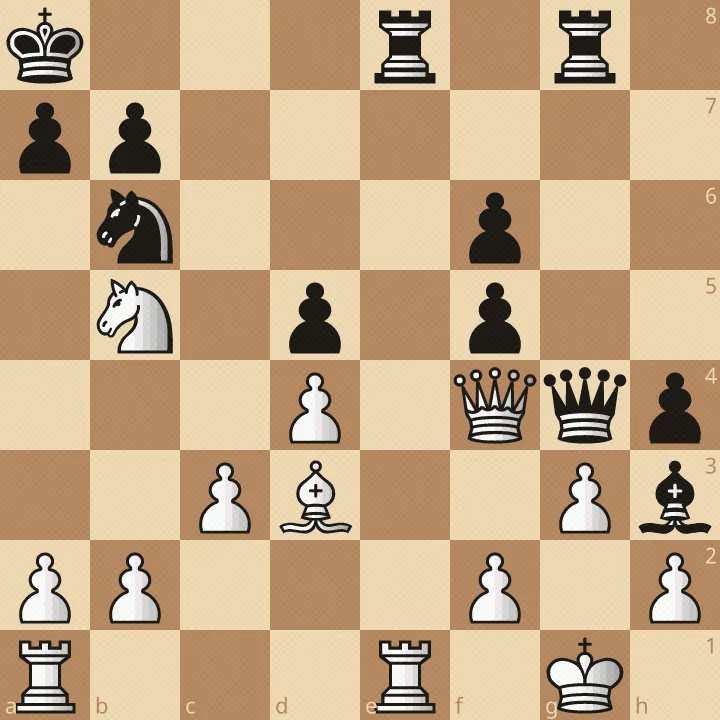
Christian qualified through winning last year's Tata Steel Tienkamp with an impressive 8,5/10 points and 1.5 points lead before the second place. In round 2, facing IM Henry Tudor, Christian already sacrificed a piece. Black is hopelessly lost, but to finish the game for sure, he found a neat mate in 3.
White to play and win.
thomas306@thomas306
🛡Moderator✦Founding member #12
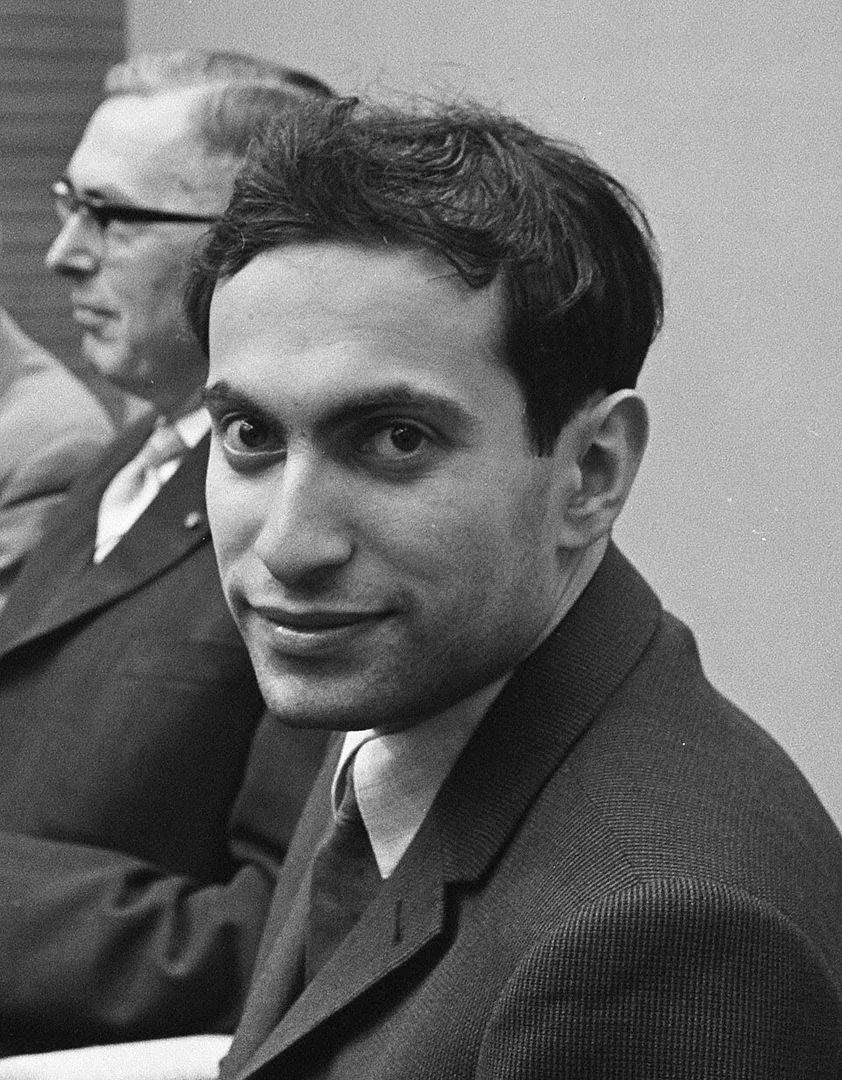
Happy Birthday, Misha! Soviet Latvian World Champion Mikhail Tal (image:wikipedia) stands out as possibly the most creative player in history. In fact, he has been such a genius that the Soviet School of chess, which is known for strict rules, principles and bulletproof play, didn't understand him first. Their methodic, very scientific approach to chess very much collided with Tals ability to sacrifice pieces all over the place, accusing him of bluffing and working with psychological tricks. With strong engines today, we know that lots of Tals sacrifices were indeed correct. AI-driven engines favour Tals decisions even more than classical brute-force engines.
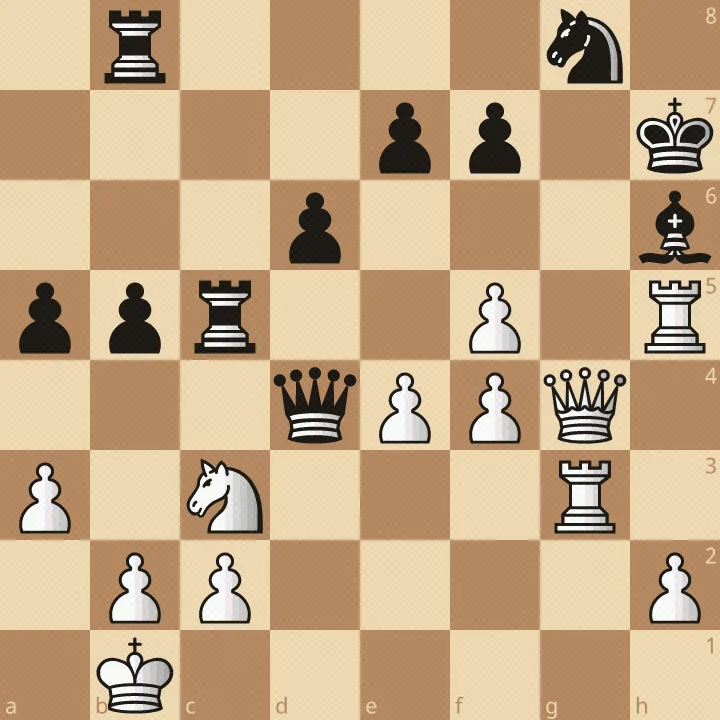
Today's position is from Tal's (white)game against World Champion Tigran Petrosian (black), who is considered an absolutely defensive powerhouse. Tal However demolished him in just 23 moves. In this position, Tal already sacrificed a knight to soften up the kingside. Which breakthrough forced Petrosian to resign two moves later?
White to play and win.
thomas306@thomas306
🛡Moderator✦Founding member #12
White to move- game lost or drawn?
thomas306@thomas306
🛡Moderator✦Founding member #12
Endgame Theory, beginner's guide to opposition:
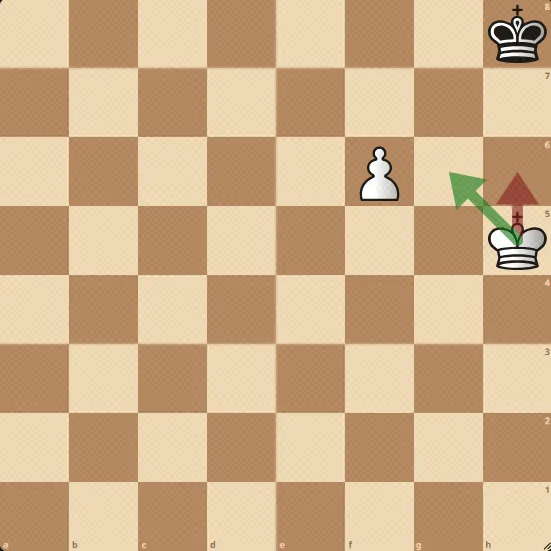
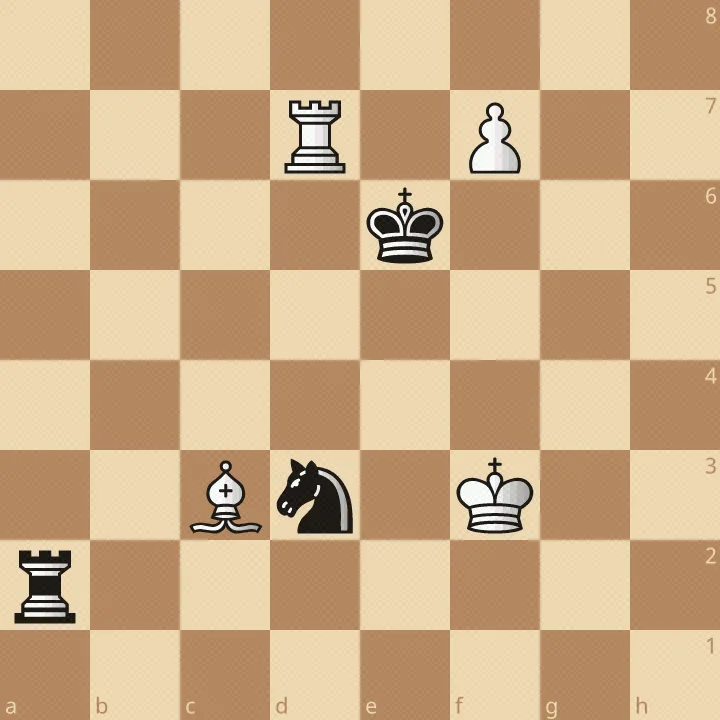
Opposition is what we call when king and king face each other. Whoever steps in front of the enemy king first, blocks it and therefore limits the movement of their opponent. More often than not this may result in a Zugzwang situation which decides the game. Pawn promotions are most useful to illustrate the concept. In the following position, which move would you play to promote the f6 pawn? only one move wins the game for white
thomas306@thomas306
🛡Moderator✦Founding member #12
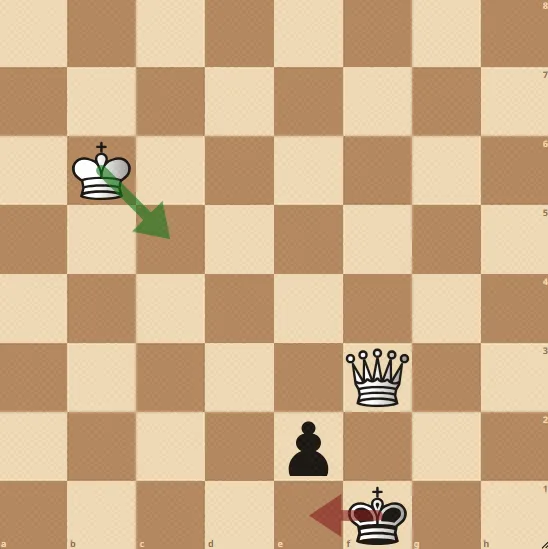
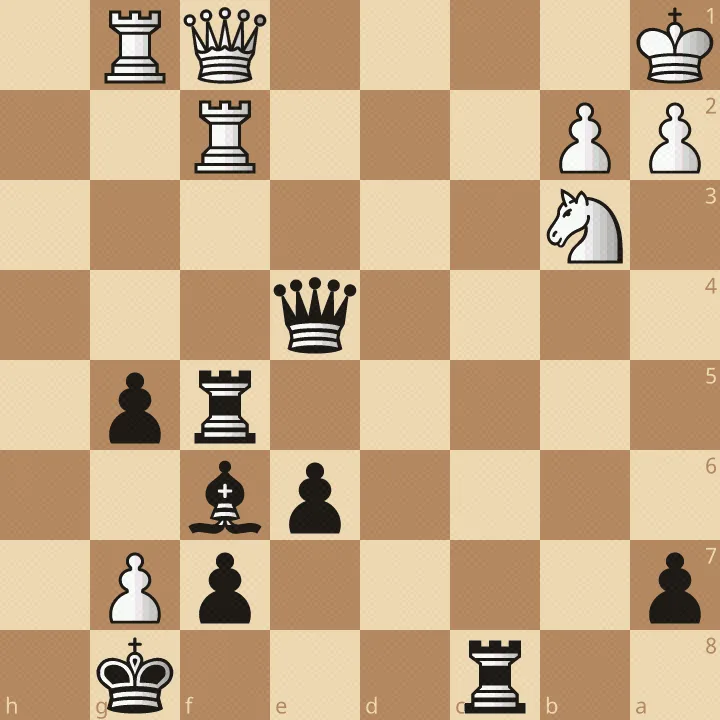
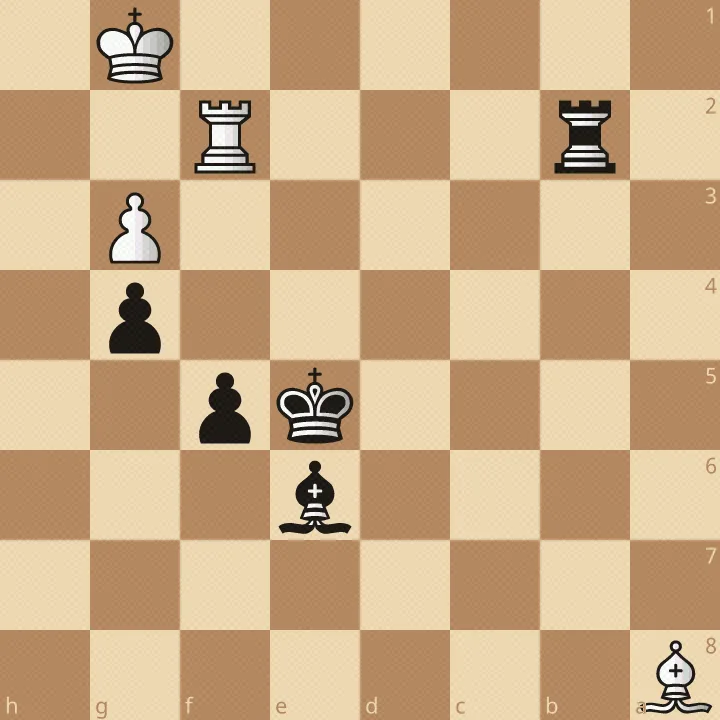
Endgame theory (Queen vs pawn): If you have a queen and a distant king against a pawn thats threatening to promote, your strategy is pretty straight forward: You give an endless amout of checks until your queen forces the king to step in front of its own pawn. In this moment, you have time to advance your king towards the pawn. Rinse and repeat, until queen and pawn finally team up to gobble up the peasant (Fig1)
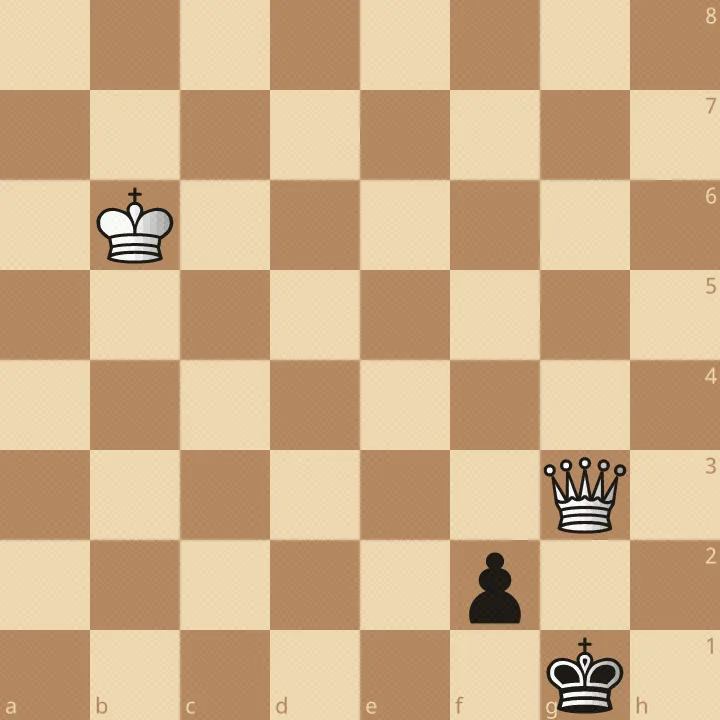
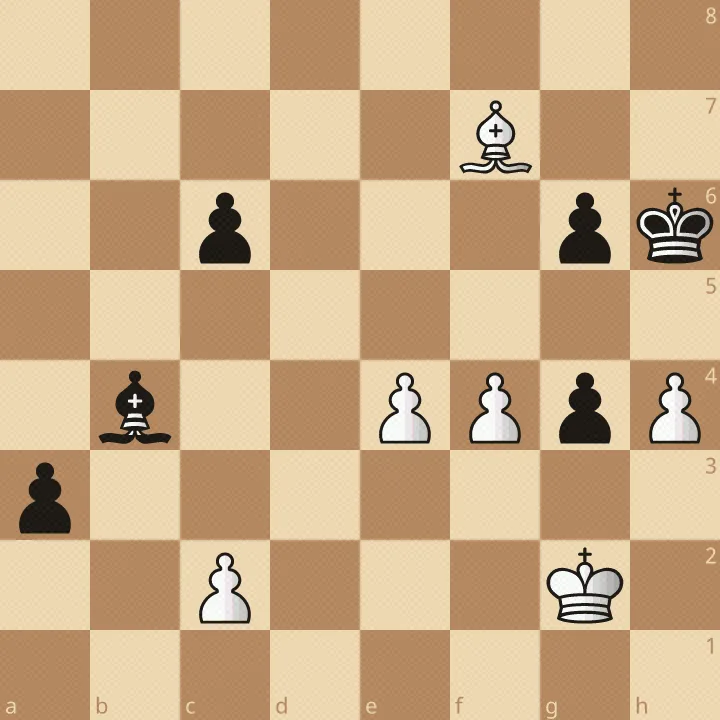
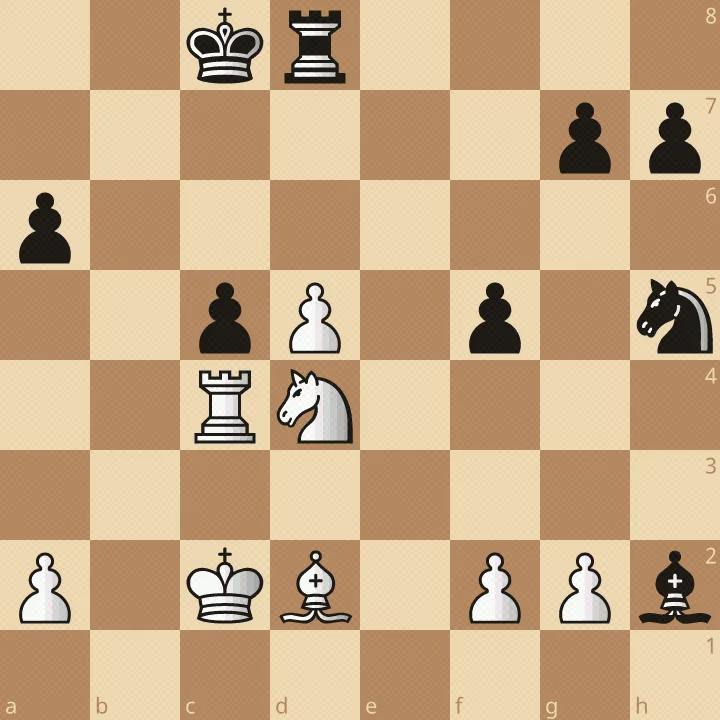
However, Bishop pawns (Fig2) have their own rules. In the same situation (distant king+ Pawn on the 7th rank) the game is drawn. Why does our strategy not work here?
thomas306@thomas306
🛡Moderator✦Founding member #12
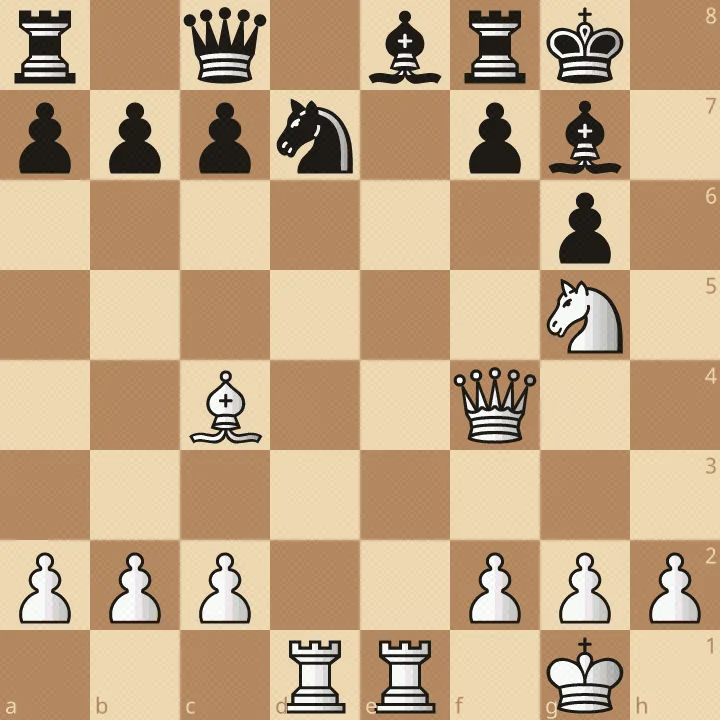
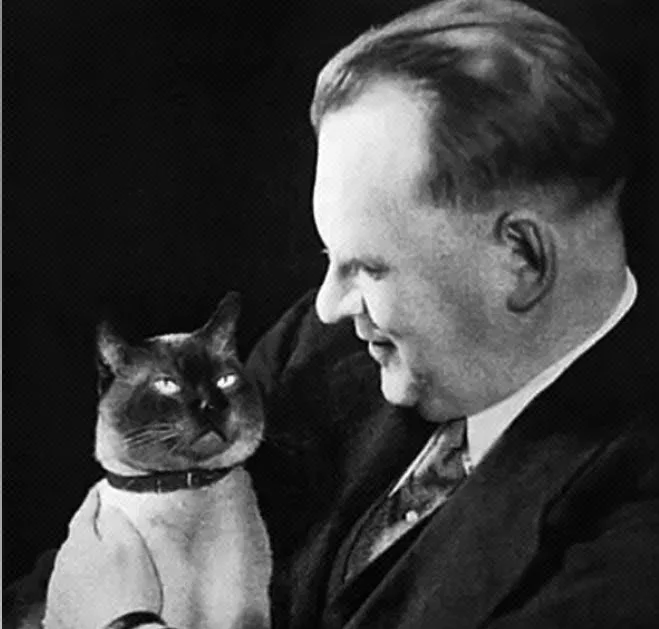
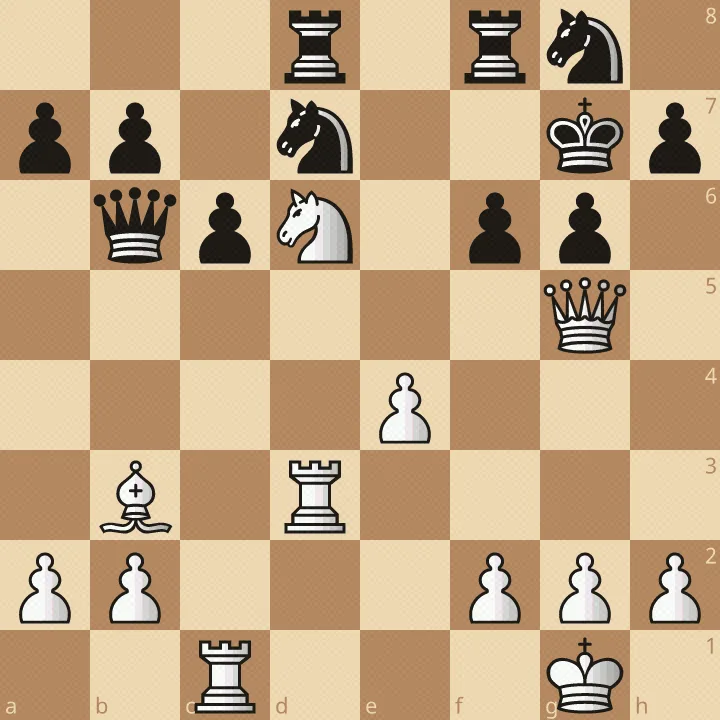
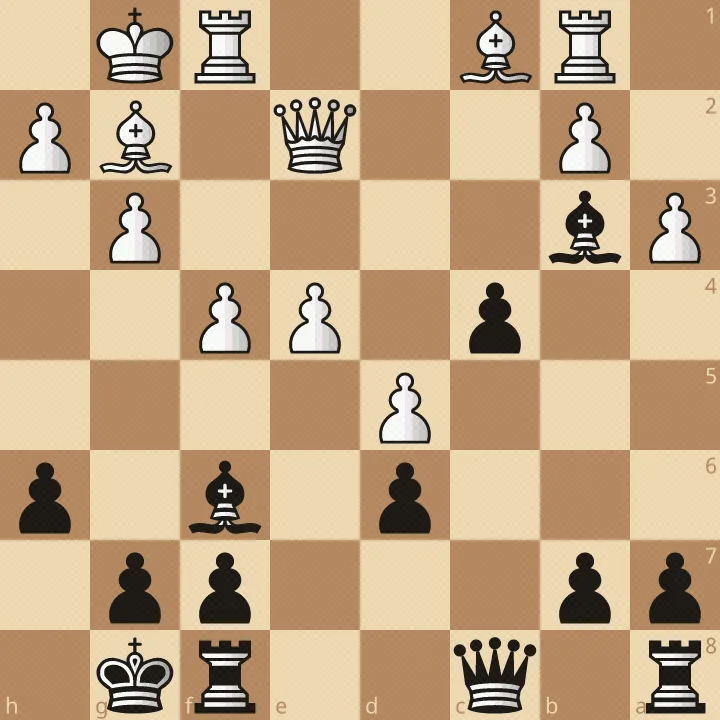
Happy birthday, Mr Alekhine! Alexander Alekhine (on the right) was the fourth World Champion and is considered a tactical genius. Seasoned chess.com users know that he famously had a cat named "Chess". Today, the Russian/French legend would have turned 134 years old. His games are those to be studied if you’re in for dynamic attacking chess. One shining example is his game against the second World Champion, Emanuel Lasker, played in 1934. Lasker (black) already dangerously softened his kingside, and his last attempt to chase away the white queen sealed the fate of the game against white’s mighty active army. How did Alekhine start a checkmating attack, forcing Lasker to resign?
White to play and checkmate in 5 moves.
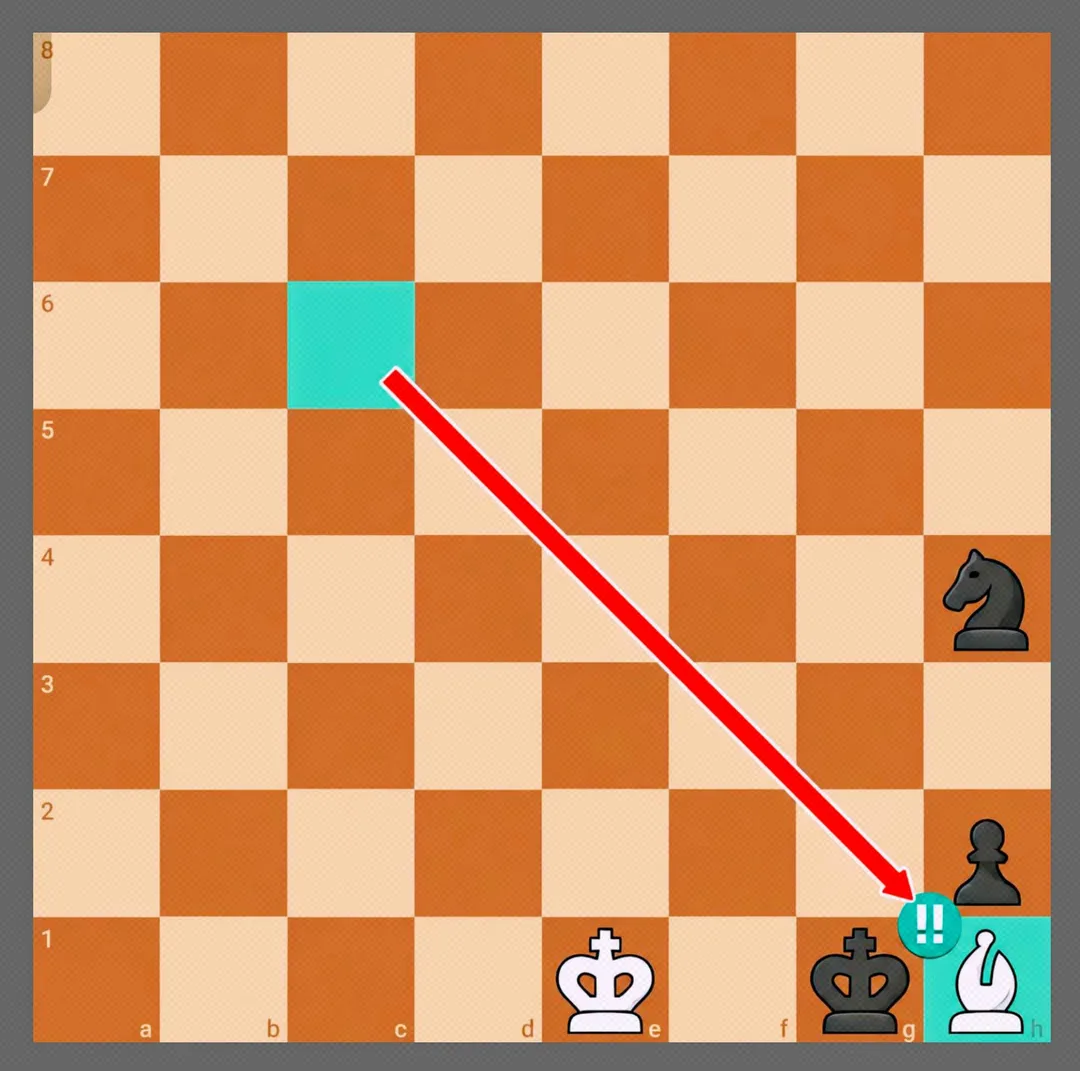
Sometimes the best move is one that does not look intuitive at all. Our brain usually checks the immediate outcome first, then concludes "that's useless" and stops to calculate right there. To continue the calculation of exactly this "useless moves" is what makes an excellent chess player.
Why is this move the best?
thomas306@thomas306
🛡Moderator✦Founding member #12
Uzbek grandmaster and world chess championship challenger Javokhir Sindarov won the 2026 Clutch Chess title in Saint Louis after a dramatic comeback, trailing by 4 points heading into the last day. The 20-year-old went undefeated with three wins and three draws to finish on the third day.
In game 17, against World #2 GM Hikaru Nakamura, Sindarov played an absolute masterpiece with black! In a sharp King’s Indian, one of Nakamura’s specialties, Sindarov played no less than three sacrifices, completely demolishing Nakamura’s position and transforming into a winning endgame. I highly recommend watching the whole game!
After blowing up white’s position with a bishop sacrifice 23 Bxg4!!, On move 29, Sindarov sacrificed his rook 29Rxg4+!! (ironically on g4 again). Why can’t Nakamura just take the rook with his knight on f2?
thomas306@thomas306
🛡Moderator✦Founding member #12
This years World Championship chess challenger Javokhir Sindarov (you read it first in the Pester Lloyd!) just takes part in the 2026 Clutch Chess: Champions Showdown at the Saint Louis Chess Club. In the first round, he faced the Indian super grandmaster Praggnanandhaa Rameshbabu with the black pieces. While most often opposite coloured bishop endgames end in a draw, the following position from their game seems to have some spice. Would you prefer Sindarov (black), Praggnanandhaa (white)? O will the position develop into the usual draw?
thomas306@thomas306
🛡Moderator✦Founding member #12
Two times world Champion Tigran Petrosian and eight times candidate was famous for excellent strategic capabilities and especially for his defensive technique, earning him the nickname “Iron Tigran”. The following position is one of his textbook games, played against Akaki Pirtskhalava in 1947. White had excellent initiative in the center, winning him the e pawn. While just taking with the queen on e4 certainly would be a good move, Petrosian didn’t rush. Do you see his idea and its long-term consequences?
White to move.
thomas306@thomas306
🛡Moderator✦Founding member #12
A few other positions form the last round of the European Chess club cup:
IM Mert Bicer (white) played against IM Read Samadov (black) a typical opposite-site castling situation. Both sides try to attack the enemy king with all their ressources. It looks like white breaks through first, but black to move can win material.
Black to move.
FM Radek Bujnoch (white) has nicely coordinated pieces against the black king. What nice combination can he start against CM Benedikt Briem (black)?
White to move.
CM Korab Saraci(white) faced FM Vladimir Pajkovic (black) but miscalculated. How can black capitalise?
Black to move.
thomas306@thomas306
🛡Moderator✦Founding member #12
From yesterday’s 4th round of the European Club Cup:
Swiss Fide Master Moritz Collin (white) won convincingly, after Ugur Barkin Tahaoglu (black) grabbed a seemingly free pawn, playing Qxc4?? What did Collin see Tahaoglu didn’t?
White to move.
German Grandmaster Matthias Bluebaum (white) secured a win for his Hungarian team. How did he capitalise on the blunder of GM Etienne Bacrot (black) after Bxh2??
White to move.
Hungarian Super Grandmaster Richard Rapport (white) is winning, but still black has some threats to prevent white’s f-pawn promotion. Or has he? How did Rapport still gain material advantage against IM Shogdzhiev (black)?
White to move.
thomas306@thomas306
🛡Moderator✦Founding member #12
The European Club Cup concluded its fourth round today, with four teams having won every match so far. In the 5th place we see the Hungarian team Tuxera Aquaprofit Nagykanizsai, who could secure a win in the third round yesterday. Two out of four games have been won by the Hungarians, while the rest of the games were held to a draw in yesterday's match.
One win came from Benjamin Gledura (white) - Theodor Kenneskog (black). Glendura is already completely lost. There are many good moves, but which one is by far the most forcing, played by Kenneskog?
Black to move.
A remarkable win was achieved by International Master Richard Pert from England, who beat Grandmaster Jorden van Foreest, the second strongest Player from the Netherlands and #24 in the world. Which tactic has been overlooked by van Foreest (black) after playing Rd6??
White to move.
Another beautiful tactic has been spotted by GM Rauf Mamedov vs GM Dragisa Blagojevic. Seemingly theres not much going on, but aren’t the black pieces passive? There’s got to be something.
White to move.
thomas306@thomas306
🛡Moderator✦Founding member #12
A bishop is stronger than a knight, and having the bishop pair is considered an advantage, especially in open positions. The following game from round 1of the 41st European Chess Club Cup, taking place in Budva, Montenegro right now, highlights that principle textbook style:
CM Cedric Reymann (Gambit Bonnevoide, white) faced GM Anton David Guijarro (Novy Bor Chess Club, black) and played 20.e4??, presumably with the intention of playing e5 one move later. However, the position seems to openly invite black’s strong bishops to gain something.
In fact, the bishops have such a scope that black at least wins an exchange (rook for a bishop, which is considered a material advantage), no matter how white continues. Do you find all the lines?
Black to move and win material.
thomas306@thomas306
🛡Moderator✦Founding member #12
Viktor Korchnoi, unfortunately, remained one of the more tragic figures in chess history. He rightfully is considered one of the strongest players who never became world champion, winning four USSR state championships and participating in no less than ten candidates’ tournaments, including 1990, where Korchnoi already has been 60 years old. In 1981, he again faced Karpov as a challenger, losing the tournament 6-2, giving the event the name
“The Massacre in Merano”.
However in game 13, Korchnoi won with the white pieces. Karpov (black) has a problem in the following position: The bishop on b4 is hanging, and the knight on f3 is threatened to get pinned to the queen after Rf2. Karpov blundered by playing Be7??, trying to bail out by saving the bishop, but lost.
Which resource to keep the game equal did black miss in this position?
Black to move and draw.
thomas306@thomas306
🛡Moderator✦Founding member #12
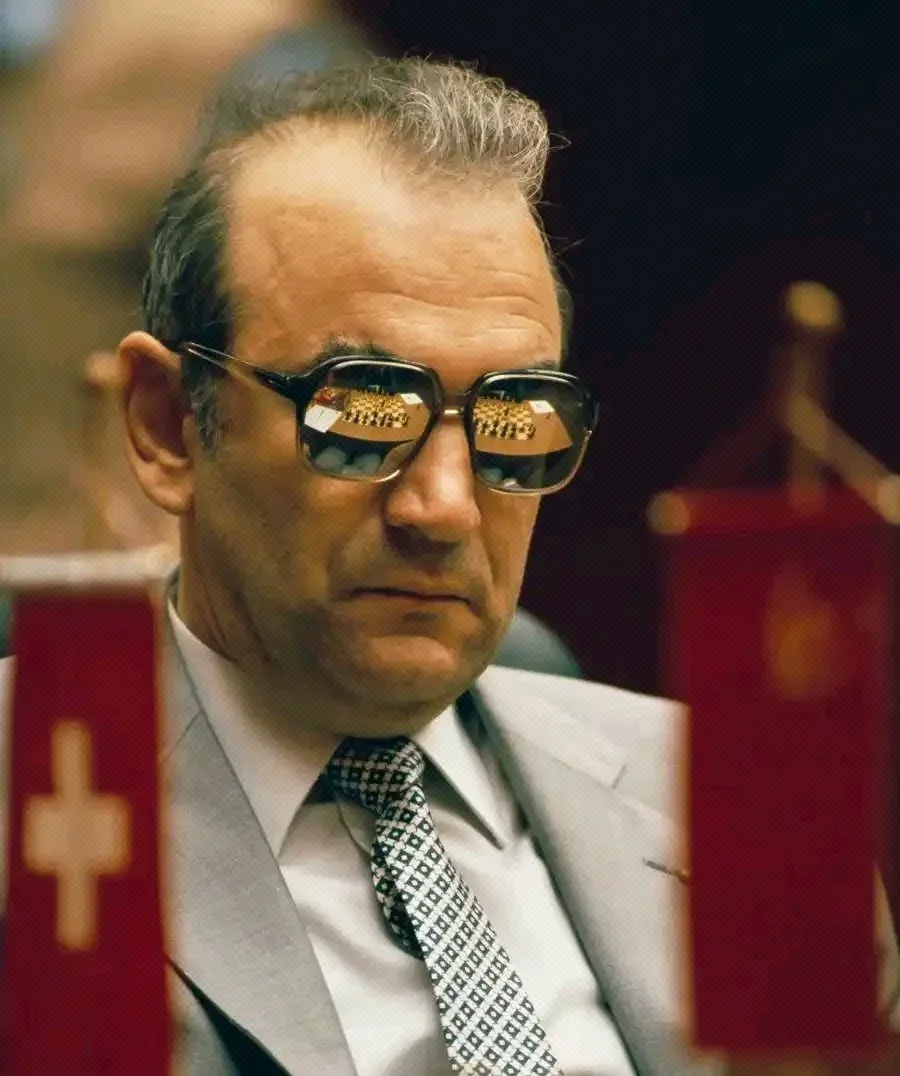
For today’s puzzle we go back in history, to maybe the wildest battle a world championship has ever become. The reigning world champion and pride of the Soviet Union, Anatoly Karpov, faced Viktor Korchnoi, who defected from the USSR, making the whole championship very political. Both competitors were known for an iron will, and with the USSR being very interested in Karpov’s win, many wild accusations were made during the course of the tournament:
During one game, Korchnoi received a blueberry yoghurt, which he understood as some form of code from the Karpov team. Karpov’s team contained a hypnotherapist- Korchnoi believed, he had been hired to manipulate him during the match, which made himself hire two Ananda Marga gurus in bright orange robes, who sat behind the hypnotherapist, and wearing mirrored glasses, to counter the therapist’s influence even better. Unfortunately, the two gurus were excluded from the tournament later because both were out on bail after being charged with attempted murder. Korchnoi also ordered to have his chair X-rayed in a local hospital to make sure no source of radiation is hidden inside.
Whoever won six games first, won the tournament. In the end it was Karpov who defended his title in an extremely close match with 5 losses, 6 wins and 21 draws!
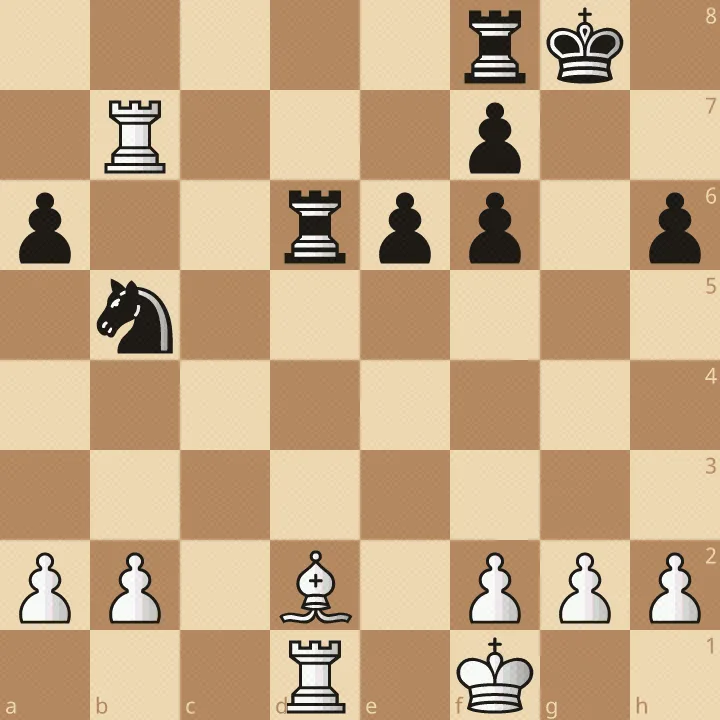
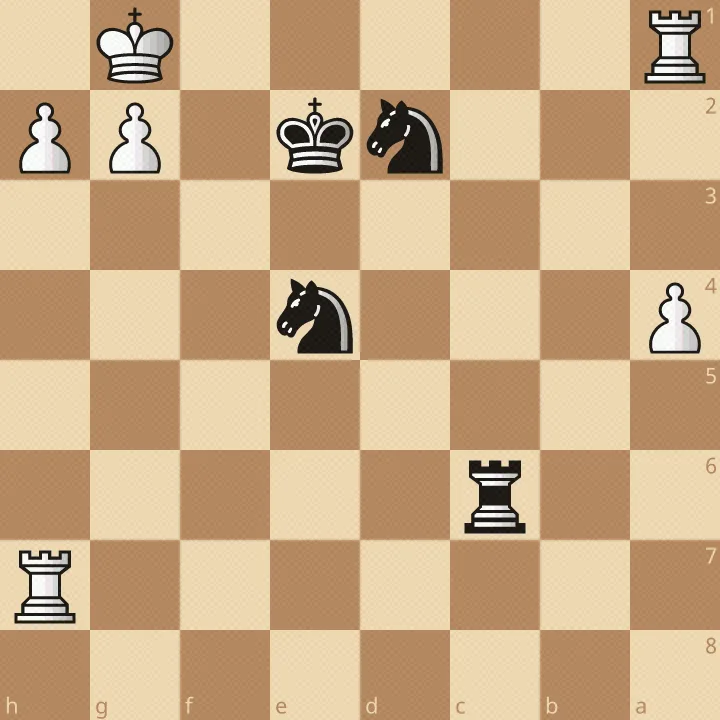
One of the best-known games is game 17, which Korchnoi (white) threw away after gaining an advantageous position. How did Karpov (black) end the game after the last move Ra1?? Black to play and mate in 3.
thomas306@thomas306
🛡Moderator✦Founding member #12
Today’s puzzle is about mental fatigue and the grind of a hard-fought world championship between Ding Liren and the challenger Gukesh Dommaraju. Liren played terribly during the period beforehand, leading the chess world to speculate that the young Indian grandmaster might sweep the tournament. The reality was quite the opposite, and both opponents went into the last game with 6 ½ points each, visibly worn out from their fierce battle. In a simplified endgame, Liren with the white pieces blundered so horribly that Gukesh began shaking, seeing his win immediately- for the game and subsequently for the championship.
How did Gukesh crown himself as the youngest world champion in history? Black to move and win.
thomas306@thomas306
🛡Moderator✦Founding member #12
For the players with theory knowledge: Famous study from Franz Sackmann (1913), demonstrating a fundamental endgame concept. Only one move wins, all the others draw the game. Whats the first move and why?
thomas306@thomas306
🛡Moderator✦Founding member #12
In 1852, chess had been played differently. Strategic long-term advantages were given way less attention than ruthless attacks, defining the era of Chess Romanticism. In that year, Adolf Anderssen played one of the most well-known games against Jean Dufresne, the famous "Evergreen Game". At a first glance, it seems black has the upper hand- being up two full pieces, open lines to the enemy king and two strong "Horwitz bishops" aiming towards white's kingside. However, Anderssen has one of the most beautiful combinations ever played up his sleeve. White to move and win.
thomas306@thomas306
🛡Moderator✦Founding member #12
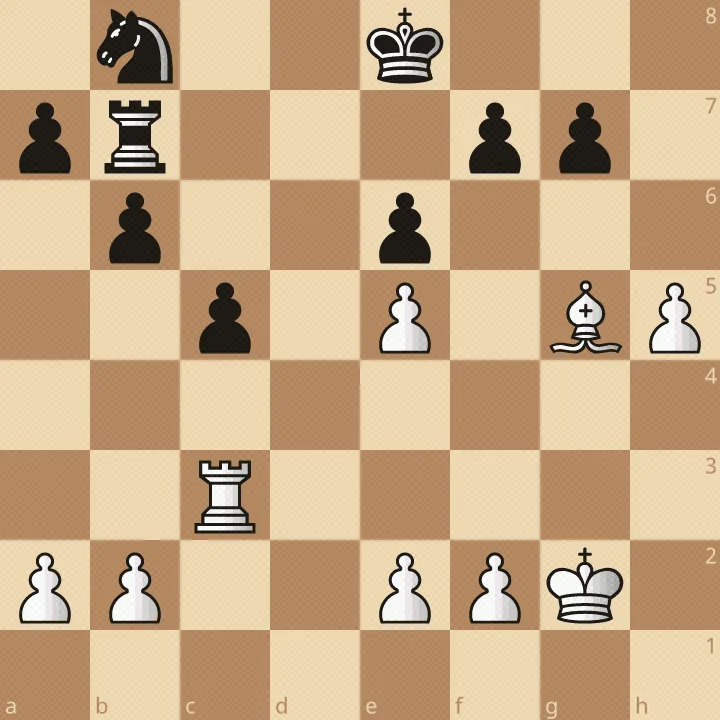
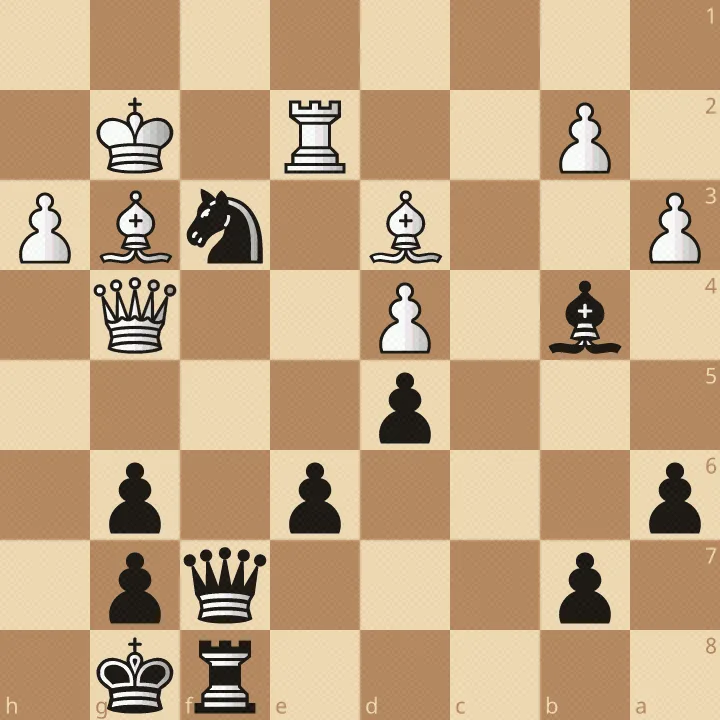
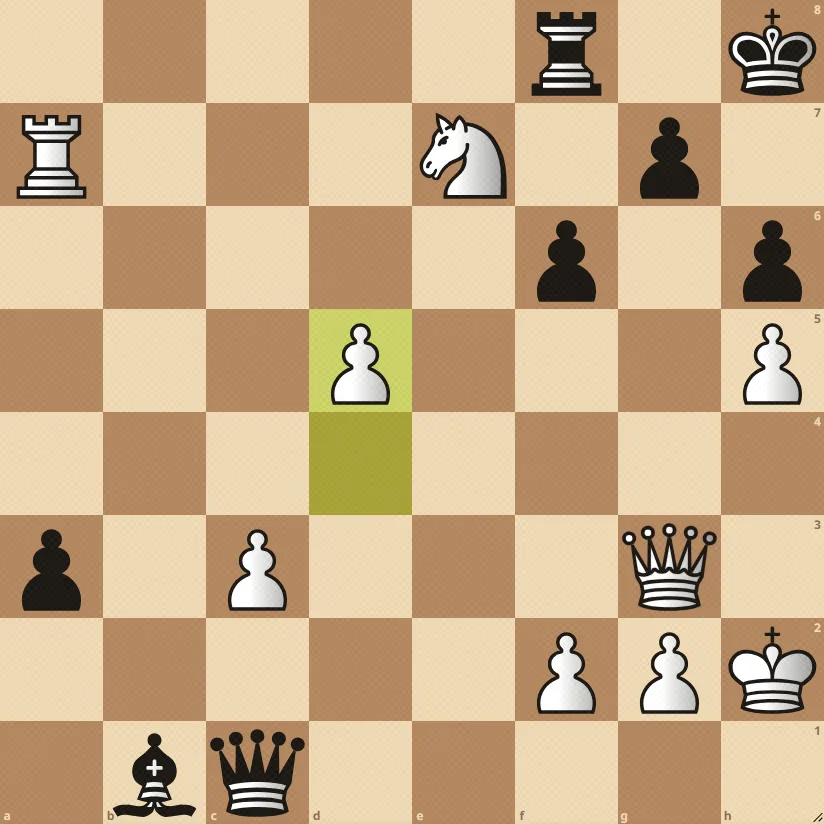
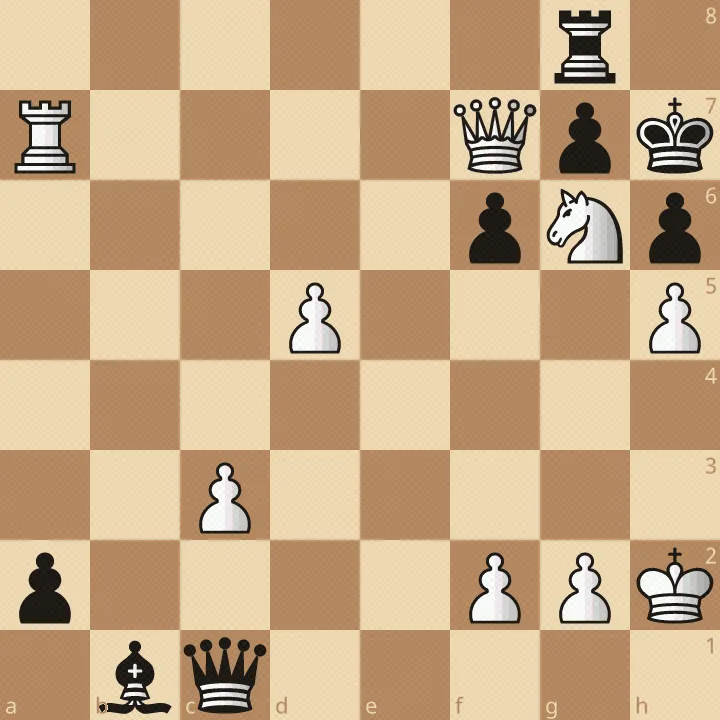
„He sees it. This is the remarkable part, he sees something pretty…what is the finishing touch?” GM Anish Giri asked himself during the live commentary of today’s game. Two strong grandmasters with an engine on their hand couldn’t figure out Ding Liren’s plan during the 6th game of the world championship 2023.
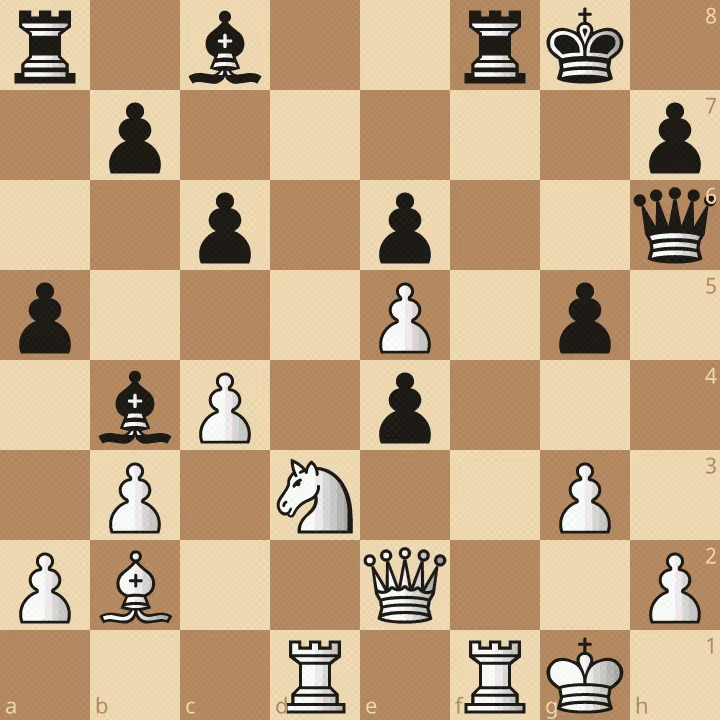
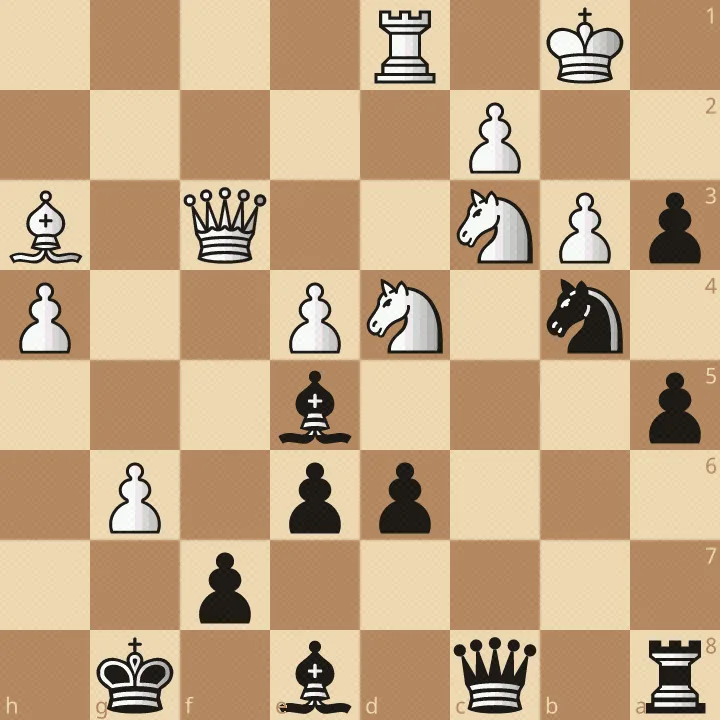
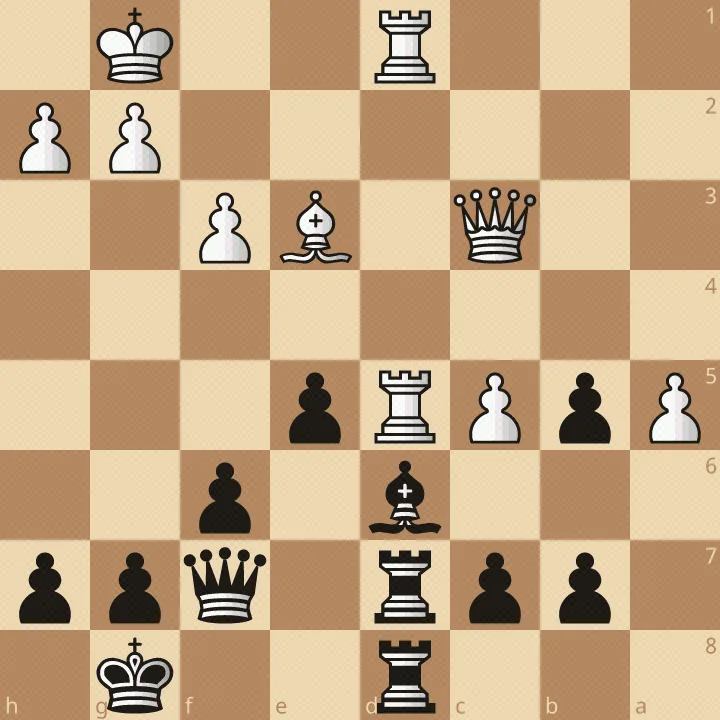
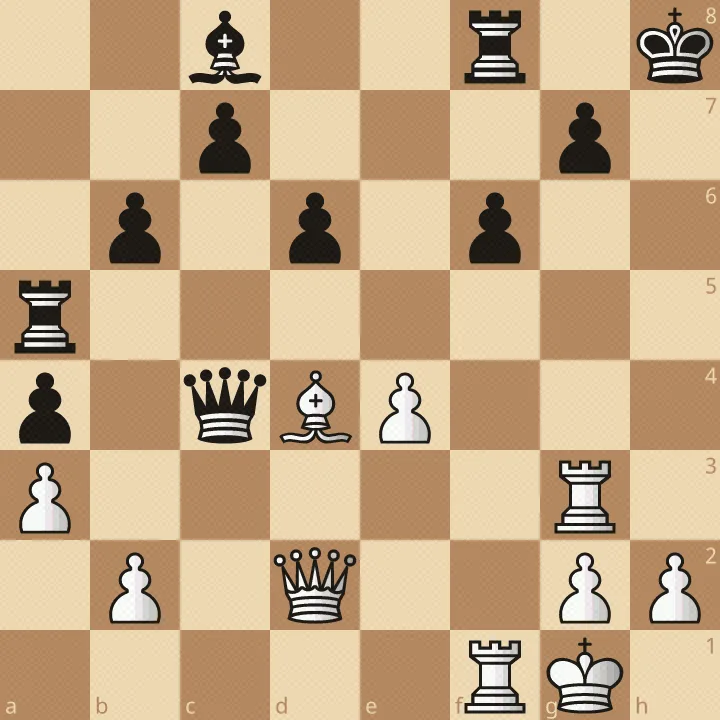
With the white pieces, Ding played 41. d5 (first image), foreseeing a beautiful finish he concluded three moves later, forcing GM Ian Nepomniachtchi to resign. Can you calculate the winning sequence and the essential role of the pawn on d5 (second image), Ding carefully placed there already three moves ahead?
thomas306@thomas306
🛡Moderator✦Founding member #12
In the 2016 World Chess Championship, the reigning champion Magnus Carlsen faced the strong Russian challenger Sergey Karjakin. After a close start of the tournament resulting in seven consecutive draws, Karjakin took a shocking lead by winning Game 8 with the black pieces, leaving only four games for Carlsen to equalise. Carlsen levelled the match in Game 10 to force a 6–6 tie at the end of classical play. Only in the rapid tie-break, Carlsen dominated with two wins to seal a 3–1 victory and retain his world title.
The last game featured a sharp position with both sides starting a fierce kingside attack. On move 49, Carlsen (white) was granted the opportunity to play Rc8+, leaving Karjakin (black) with the options to either 1) block with the bishop or 2) run the king to h7.
While Karjakin quickly saw that blocking the check with a bishop loses due to the simple exchange sacrifice, he calculated that Kh7 is safe. Which brilliant follow-up after
49. Rc8 Kh7
by white, leading to forced checkmate, did the Russian grandmaster miss?
thomas306@thomas306
🛡Moderator✦Founding member #12
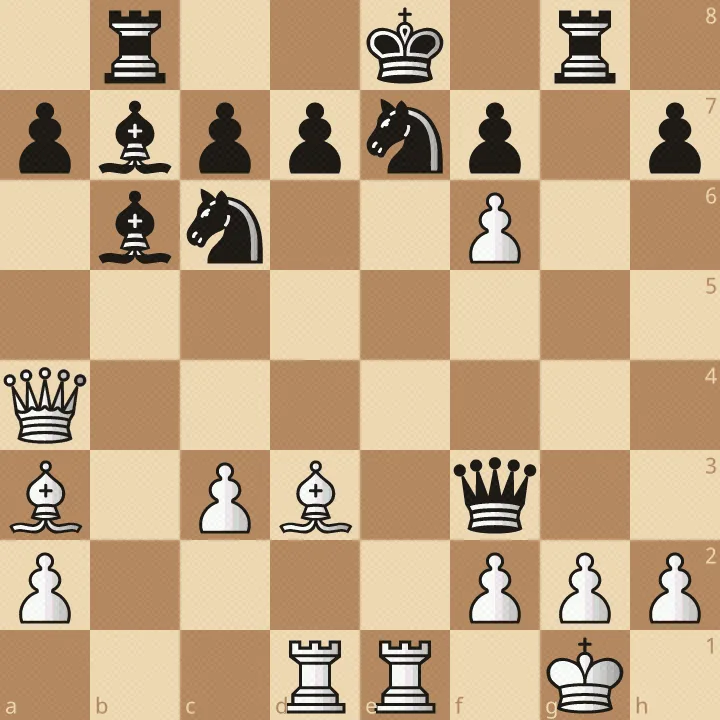
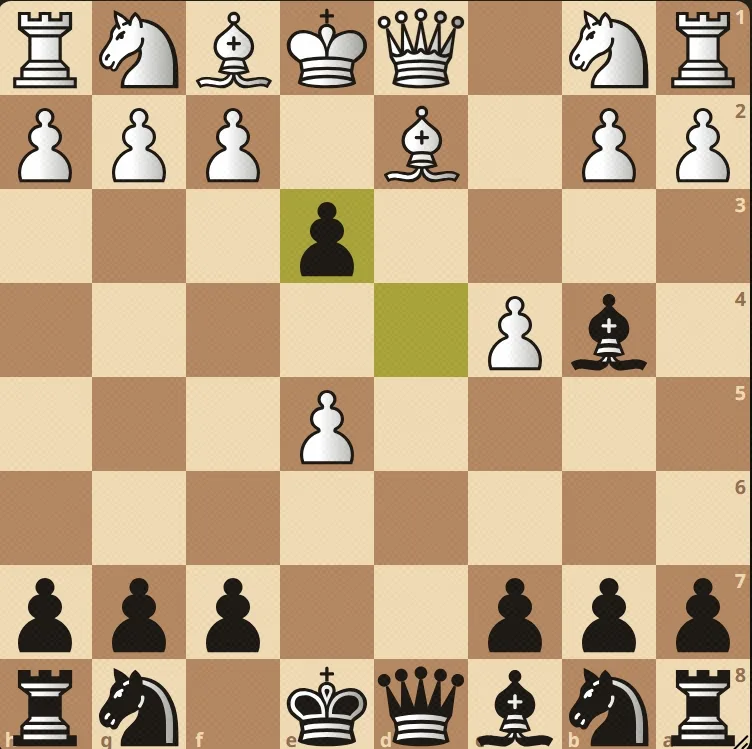
The Lasker Trap, coined after the only German and longest reigning world champion in history, Dr. Emanuel Lasker, is a famous position resulting from the Albin’s Countergambit.
In a sharp position, black offers a completely free bishop to white on b4. If taken, it will be black who ends up with a full piece due to a rare chess concept. Do you see which crucial option has been overlooked by white?
thomas306@thomas306
🛡Moderator✦Founding member #12
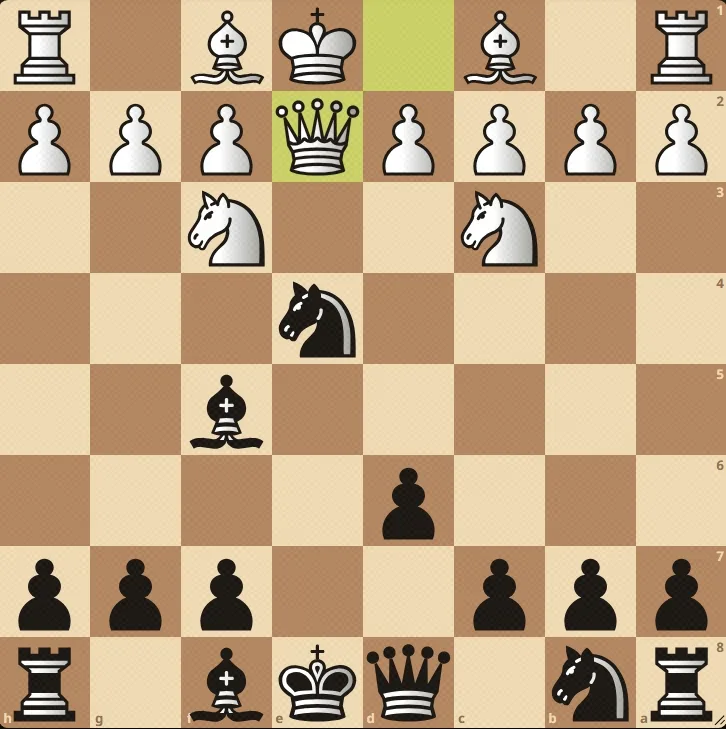
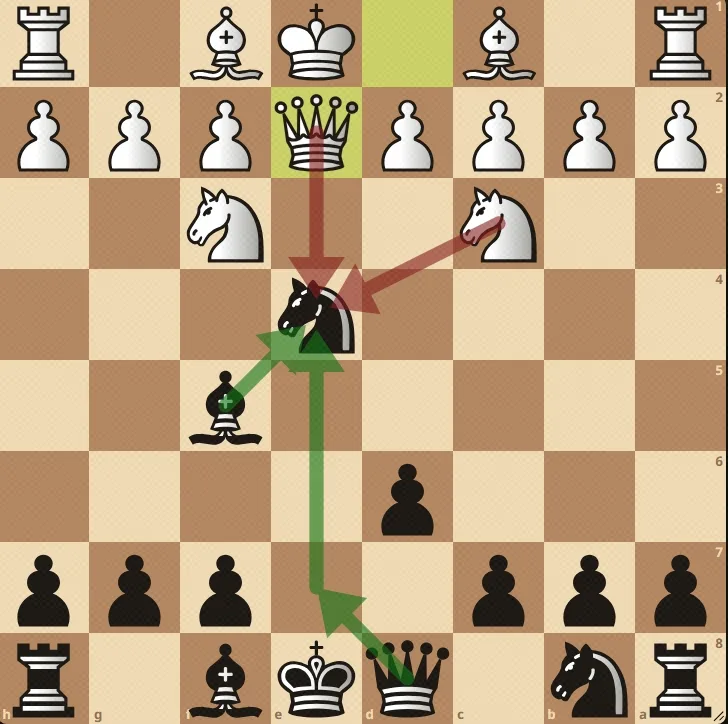
Viswanathan Anand, aka “The Tiger from Madras” is a 5 times world chess champion known for incredible speed and adaptability: Throughout many different world championship formats, Vishy came out victorious: He won through the FIDE knockout system in 2000, became the champion in a double-round tournament in 2007 and subsequently defended his title in classic head-to-head matches against top-tier challengers in 2008, 2010, and 2012.
Unfortunately, one of his best-known games is a careless loss played with the black pieces. In this position from the Russian (Petrov’s) Defense against Alonso Zapata in 1988, his plan was to defend the hanging knight by playing Qe7, adding a second defender. However, even before playing it, Anand resigned immediately after just six moves. Which terrible move by white had been completely overlooked by the first Indian Grandmaster?
thomas306@thomas306
🛡Moderator✦Founding member #12
How else to start if not with a classic. White to move and mate in 4